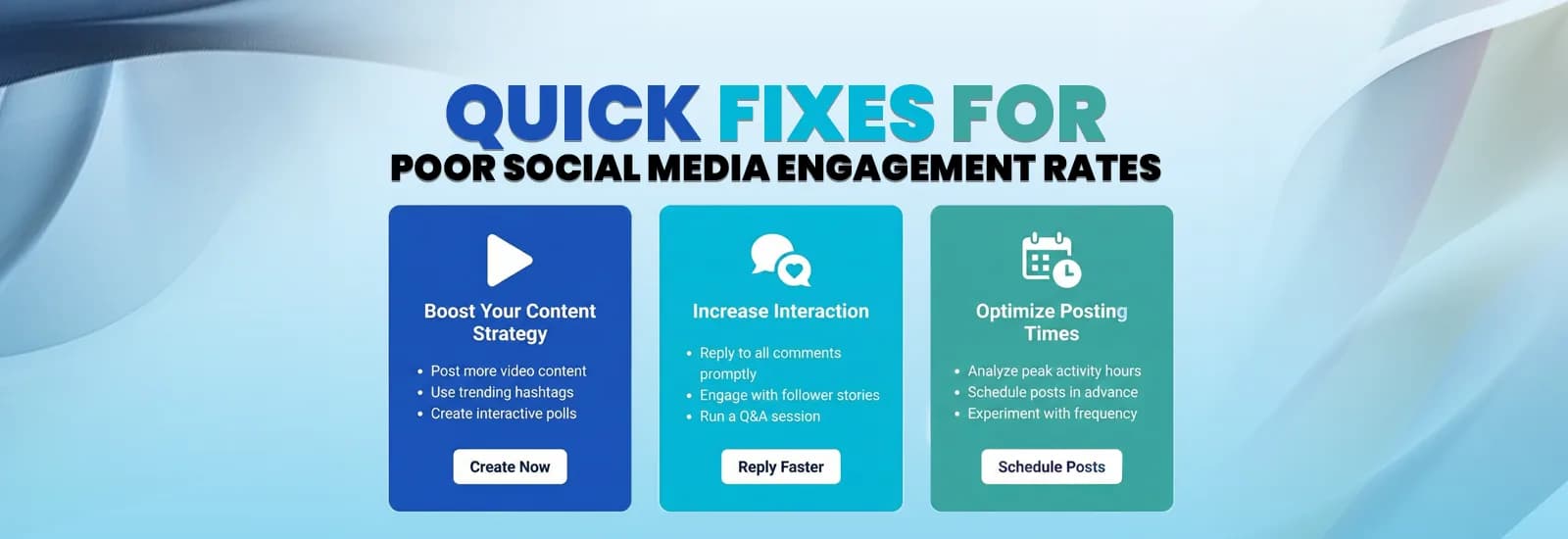
Quick Fixes for Poor Social Media Engagement Rates
All topics
When engagement on social media dips, it doesn’t just hurt your stats. It affects how your audience sees your brand. If people aren’t liking, commenting, sharing, or even noticing your posts, your message isn’t reaching far enough. Whether you’re trying to build trust, start conversations, or drive people to your website, getting people to respond to your content is what makes social media actually work for your business.
But poor engagement doesn’t always mean your efforts are a total miss. A few problems in your strategy could be holding things back. It might be the kind of content you’re posting, the way you’re communicating, or simply when you’re putting your posts out. Sorting out these little speed bumps can make a big difference in how your audience reacts.
Identifying The Root Causes
If your engagement rates feel lower than they should be, the first thing to do is figure out where things are falling short. Don’t just look at how many likes or comments you get each day. Go deeper. Social media platforms usually give you access to basic data like reach, clicks, shares, and saves. This data helps you see what’s catching people’s attention and what’s getting scrolled past without a second thought.
Start by looking at:
- Which posts had the fewest likes or comments
- Whether certain times of day get more activity than others
- If photo posts do better than text posts
- How much interaction you get when sharing links compared to original content
These simple clues can point to the type of content your audience engages with or ignores.
Some common causes of low engagement include:
- Dry, bland content: If your posts feel too plain or lack personality, people won’t bother clicking or commenting. Sharing just product updates or company news with no hook is rarely enough.
- Inconsistent posting: Going quiet for days or bombarding your audience with a dozen posts in one morning throws off your rhythm. People won’t know when to expect something from you and may tune out completely.
- Ignoring your followers:If someone tags you or drops a thoughtful comment and gets no response, don’t be surprised if they don’t reply next time. Interaction builds connection, and silence doesn’t.
- Complicated messages: If your posts are full of jargon or take too long to get to the point, people move on. Social feeds move quickly. Messages should too.
Getting your footing back starts when you know where it slipped.

Creating Engaging Content
Social media platforms are busy places full of distractions. To stand out, your content needs to be instantly appealing and meaningful. That doesn’t mean every post has to be a work of art, but it should look good and feel relevant.
Focus on content that:
- Uses striking, high-quality visuals: Whether it’s photos, short videos, reels or infographics, make sure your visuals stop someone mid-scroll. Bright colours, clean edits, and sharp images go a long way.
- Offers real value or emotion: People often engage with posts that teach them something, make them laugh, or relate to how they feel. Ask yourself, “Would I share this with a mate?”
- Is clear and casual in tone: Writing should feel like a normal conversation. Avoid sounding robotic or overly formal. Keep language simple and easy to skim.
- Uses consistent branding:Use the same colours, fonts, and tone in your posts so people quickly recognise it’s coming from you.
Example: A skincare brand might show a before-and-after photo set using natural lighting, paired with a caption like “You asked if our serum really works, so I tested it for 2 weeks. Here’s how it went.” It’s real, visual and invites feedback, which is perfect for encouraging a response.
The aim is to stop passers-by and give them a reason to click, like or comment. If your content isn’t sparking action, it’s time to shake things up.

Optimising Posting Schedules
The timing of your posts can make or break engagement. Content that goes live when your audience is offline slips quietly into the feed and gets buried fast. Knowing when your followers are most active can boost visibility and increase the chance of interaction.
A good rule of thumb is to test different posting times across the week, then watch what happens. You don’t need fancy tools to get started. Basic insights from platforms like Facebook, Instagram and X can tell you when your followers are active. Look for trends over a two to three week period rather than jumping to conclusions after one post.
As a simple guide:
- Early mornings and evenings during the workweek tend to draw activity
- Lunchtime slots can see more mobile engagement
- Weekends are hit or miss, so test both Saturday and Sunday at different times
Posting consistently matters too. A regular pattern helps your audience know when to look out for new content, which sets a rhythm and builds anticipation. Just avoid posting for the sake of it. If you’re not offering something meaningful, posting too frequently can have the opposite effect.
Also, don’t forget to consider time zones if you serve areas outside your local one. Mixing up your schedule slightly each month helps you reach different audience segments at different times.
Interacting With Your Audience
When someone takes the time to comment or send a message, respond. Fast, friendly replies keep the conversation going and show your audience that you’re paying attention. Delayed or ignored interactions send the wrong message and can drive people away.
Simple ways to boost interaction:
- Ask questions in your posts to invite comments
- Respond with their name when replying to make it personal
- Use polls and story stickers to get quick feedback
- Thank your followers when they share your content or give positive feedback
Live sessions can also be a great way to connect more directly. Host a Q&A once a month or go live when you launch something new. People are more likely to engage when they feel part of the process, especially when it’s in real time.
Using stories and short-form videos also gives your brand a human feel. Even a short clip showing your day-to-day or answering a popular question can catch attention. Keep things relaxed and conversational. Your followers aren’t expecting a perfectly polished monologue.

Using Analytics Tools Effectively
You don’t need a huge budget or a degree in data to understand what’s going on behind the scenes. Most platforms offer built-in tools that show exactly how your content is performing. These tools can be your best ally when deciding what to post next.
Here’s what to keep an eye on:
- Impressions: how many times your content was shown
- Reach: how many unique users saw it
- Engagement: likes, comments, shares, saves and link taps
- Follower activity: what times and days your followers are most active
- Post types: which formats get the most interaction, whether videos, stories, carousels or static images
Making Changes That Actually Work
Boosting social media engagement doesn’t happen overnight. It’s a mix of being observant, understanding what your audience enjoys, and being willing to adjust along the way. If your posts look good, show personality, and land when your followers are listening, you’ll start to see better results.
Keep experimenting with fresh formats and ideas. Don’t post the same content style over and over. Mix videos with static images. Add behind-the-scenes stories. Share opinions your audience will want to discuss. Staying flexible and engaged yourself is key to building loyalty.
And when you feel like you’ve tried everything and your metrics still don’t budge, it might be a signal to work with experts who can help you make sense of the gaps. With the right support, improvement is always possible, even if social media feels like a tough crowd.
Consistency, variety and genuine connection are the foundation. Build from there and the engagement will come.
Enhancing your digital presence requires a thoughtful approach to social media engagement. If you’re looking for guidance from an experienced digital marketing agency in the UK, Include Work can support your business objectives with expert support tailored to your needs. Discover more about how our services can help you build stronger connections and boost your visibility online.
Share Now




Solutions for Missed Graphic Design Project Deadlines
All topics
Design projects are known for their loop of revisions, quick turnarounds, and time-sensitive expectations. That’s why hitting deadlines isn’t just a tick on the schedule, it’s part of what makes the whole thing work. When deliverables fall behind, the knock-on effect can impact branding launches, product updates, social media calendars, and client trust. One missed deadline can cause three more to fall out of place.

Missed graphic design project deadlines aren’t always due to poor planning. Sometimes it’s about changes in direction. Other times, it’s down to miscommunication or tasks taking longer than expected. And when projects are being tackled across time zones or departments, everything from file sharing to feedback can create small delays that grow into bigger ones. If this sounds familiar, using professional graphic design services in the UK might help you bring some control back into the mix.
Common Causes Of Missed Deadlines
Some delays are unavoidable, but a lot of the causes behind missed design deadlines are preventable once they’re properly understood. They often show up repeatedly in teams of all sizes. When you know what to look for, it becomes easier to address problems early.
- Unclear project scope: Without clear direction, designers waste time guessing what’s needed or creating drafts that don’t match expectations. This back-and-forth can delay launch by days, especially when multiple stakeholders are involved.
- Underestimating how long tasks will take: It seems simple to design a graphic or social media banner, until you realise there’s a round of edits, resizing for different formats, and cross-checking with brand guidelines. All of that takes more time than initially planned.
- Last-minute changes: Changes can come from anywhere – a client, a team lead, or a product pivot. While some are valid, making big edits near the finish line throws off timelines and may require parts of the project to go back to square one.
- Patchy communication: If messages are missed or assets don’t get delivered in time, things stall. When everyone assumes someone else is handling it, it often means nothing gets done at all, or it gets done too late.
- Lack of proper tools or skills: Sometimes, a project needs more than the team has available. That might be advanced design software, time to focus, or the expertise to handle a complex layout. When the in-house team is stretched thin, project delivery suffers.
Effective Time Management Strategies
Good time management can take a lot of pressure off design projects. When the process feels clearer and less chaotic, deadlines become easier to meet and less stressful too. It starts by knowing what needs to be done, how long it will take, and who’s doing it.
Try these practical tips for staying on top of deadlines:
- Break the work into smaller pieces: Divide the project into simple steps like mood board creation, first draft, review, revisions, and final delivery. Small tasks are easier to manage and less likely to fall behind.
- Use realistic timeframes: Factor in holidays, meetings, and other responsibilities when setting your deadlines. Giving just a bit of buffer time allows for tweaks without panicking.
- Prioritise daily tasks: Start each day with three top tasks to complete. This simple habit can keep the focus on what matters instead of reacting to every email or update.
- Make use of scheduling tools: Tools like Trello, Asana, or even Google Calendar can help people see exactly what stage the project is at. Everyone stays updated without needing to send another message.
- Hold quick check-ins: A five-minute recap mid-week helps spot delays early and gives a chance to adjust timelines before things fall behind.
Being realistic is key. If a full branding package is expected in two days but the content hasn’t even been signed off yet, it’s not going to land on time. These small shifts in planning can shape the entire delivery cycle. Instead of feeling like you’re always playing catch-up, your design project starts to move at a steady, manageable pace.
Enhancing Communication And Collaboration
When things go sideways on a design project, poor communication is often part of the story. You might have a brilliant concept and a great designer on board, but if everyone’s sending updates through four different apps, the back-and-forth can waste hours. Small details like font changes or asset links can easily get lost when there isn’t one clear place where everything is shared.
What helps most is setting expectations early on. Every project should start with a shared list of deliverables, deadlines, and roles. That way, the team knows who’s doing what and by when. If the designer needs to wait for copy or branding updates, they’ll know whom to reach out to directly. Keeping everything in one thread or platform also avoids crossed wires.
Good collaboration tools can make a massive difference. Platforms like Slack, Monday.com, or ClickUp all offer features for quick updates, comments, and file sharing. Instead of chasing people for feedback, designers can tag teammates directly on mock-ups or task cards. It saves time and cuts out unnecessary meetings.
One approach that works well for iterative projects is scheduling regular check-ins. These don’t have to be formal. A weekly 10-minute catch-up over video or even a voice note can be enough to flag problems early without dragging the project down. If something’s unclear, it’s easier to explain visually than through a written thread.
Another tip is to record the first project walkthrough. A five-minute screen recording explaining the design brief can be really helpful for designers to refer back to. Not everyone reads long instruction files. Think of it like sending a voice memo to make sure they understand the full picture.
Clear, open communication is one of the quickest ways to avoid the frustration of backtracking close to a deadline. When everyone can reach each other, share updates easily, and keep expectations aligned, there’s less chance for delays to stack up.
Why Graphic Design Services In The UK Can Keep Projects On Track
Sometimes the issue isn’t about team habits or planning. It’s about capacity. If your projects are back-to-back and your internal team is already stretched thin, pressing the reset button won’t make much difference. That’s where graphic design services in the UK can offer genuine support and peace of mind.
Experienced design services bring in the structure and clarity many teams struggle to maintain on their own. They often work with dedicated project managers who understand creative workflows and time pressures. That means briefs get followed, edits stay organised, and files are delivered in the correct format without endless clarification messages from your side.
They also tend to work across various industries, so they bring experience with different formats like infographics, packaging design, and web visuals. This flexibility is a huge plus when you need to shift direction without starting over each time. If you work with a team that’s used to quick turnarounds, tight deadlines are no longer panic-inducing situations.
One overlooked perk is the access to quality control. Established design partners often have someone review each file before it’s sent off. That extra pair of eyes catches small slip-ups that cost time later if left unspotted. When the attention to detail is baked into the process, it saves everyone time in the long run.
For example, if your internal marketing team is juggling multiple campaigns before a product launch, adding one more asset to their plate might tip things over. With outside help, you could brief in your deliverables, banner images, landing page graphics, product mock-ups, and get them back without slowing down your internal work.
It doesn’t have to be all or nothing. You can rely on them for specific design styles, seasonal campaign pushes, or even just to get through a particular backlog. With the right provider, it’s less about handing over control and more about getting back your time.
Get Ahead Of The Deadline Struggle
No project ever runs perfectly from start to finish, but with the right habits and support in place, missed deadlines don’t have to be the norm. Understanding what throws schedules off gives you a fair chance at fixing those roadblocks before they grow. Whether it’s aligning briefs better, using smarter tools, or looping in collaborative partners sooner, small changes lead to steadier project timelines.
If you’re working with design outputs regularly, it’s worth taking a step back to see where the pressure points usually land. Do reviews take too long? Are last-minute revisions the main culprit? Once you know, you can decide whether fresh workflows, clearer collaboration, or handing some of the load to external experts is the better way to go.
Meeting deadlines doesn’t just benefit the team doing the work. It helps the entire business keep pace. Campaigns roll out on time, clients are happier, and your brand shows up looking sharp and professional every time. When you’ve got a process that works, your designers spend less time backtracking and more time creating. And that balance, when you find it, just makes everything smoother.
Finding the best ways to meet deadlines and manage design projects efficiently is not always straightforward. By engaging with professional services, especially those that understand your specific needs, you can achieve peace of mind and improve project outcomes. If you’re ready to explore how expert support can help your team thrive, learn more about our graphic design services in the UK and let Include Work be your partner in delivering quality results on time.
Share Now

Ways to Improve Declining Website Traffic Rankings
All topics
When website traffic starts to drop, it can feel like you’re shouting into a void. You’ve put time and effort into your site, published helpful content, and maybe even invested in advertising, but the numbers just aren’t holding steady. Your website should be a steady stream of visitors, activity, and conversions, but when traffic rankings fall, it gets harder to achieve those goals. What’s more frustrating is that your site may still load just fine or look great, making the issue tougher to spot at first.
If your rankings are dipping, you’re not alone. Algorithm changes, user behaviour shifts, and content that no longer matches user intent can all contribute. This drop isn’t always obvious until it impacts leads or sales. That’s why understanding the signs and causes early helps you get ahead of the issue. Working with a digital marketing expert in the UK can also make a big difference, offering guidance that’s aligned with local best practices and search trends. But before you explore support, it helps to know exactly what could be going wrong and what to fix.
Identify the Symptoms of Declining Traffic
There are a few early signs your traffic is on the decline. Some are easy to miss unless you’re actively tracking analytics. Others may give you the feeling that something’s off, but are hard to pinpoint without digging deeper.

Here’s what to keep an eye on:
- A noticeable drop in visits over several weeks or months
- Fewer pages being viewed per session
- A higher bounce rate than normal
- Less interaction with blog posts or service pages
- A drop in incoming leads, contact form fills, or email sign-ups
These changes often point to a deeper issue. Maybe your content is outdated or no longer matches what people are looking for. Search engine algorithm updates also impact visibility, especially if your site doesn’t meet newer guidelines on speed or mobile layout. Technical errors such as broken links or slow pages can have the same effect.
Even if your website looks fine on the surface, inactivity or low-quality content could lead to Google viewing it as less valuable over time. If your competition is publishing fresher, more engaging material, they might claim the rankings you used to hold.
The first step is setting up regular check-ins with tools like Google Analytics and Google Search Console. They help you measure key signals, find underperforming pages, and spot trends before they become big problems.
Optimising On-Page SEO
Once you’ve spotted something’s off, on-page SEO is one of the main areas to look into. This refers to everything happening on your actual website, from the wording you use to how your pages are structured.
Effective SEO starts with a clear goal for each page. Whether it’s selling a product, explaining a service, or offering advice, that single purpose should guide how the page is written and designed. Keywords need to match what your visitors are searching for and should appear in natural spots like headings, titles, and within the page text.

Here are a few simple ways to improve on-page SEO:
- Trim down long loading times by optimising file sizes
- Use layouts that work well on phones and tablets
- Create a clear menu so visitors can navigate easily
- Limit intrusive elements like pop-ups
- Keep calls to action visible and easy to understand
Even a two-second delay in loading can deter visitors. And if your menus are tricky to figure out, people will likely leave before exploring what you offer. When users are comfortable and find useful info quickly, they tend to stay longer and return in the future.
Try having someone unfamiliar with your site review it. You may notice areas that aren’t as user-friendly as you thought. Simple tweaks like moving a contact form higher up or adjusting the font size can make a big difference in how people interact with your site.
Content Refresh and Strategy
Old content isn’t always bad, but it rarely stays relevant forever. Search engines tend to give better placement to fresh, informative, and well-structured pages. If your site hasn’t been updated in months, that might be a key reason traffic is fading.
Refreshing content involves more than adding a new sentence. Evaluate each piece to see if it still makes sense based on what people are searching for. If it doesn’t, rework or remove it.
A strong content strategy helps you stay one step ahead. It gives structure to your ideas and prevents long gaps without updates. You don’t need an elaborate plan—just a simple calendar mixing useful content with internal links to your services or related topics.
Here are a few tips to get your content working for you:
- Review top-performing pages and update them first
- Identify similar topics and combine them into one stronger page
- Add new keywords that reflect trending searches
- Insert clear internal links for better site navigation
- Use varied formats, like checklists or Q&A posts
When you regularly publish useful material, your site looks active and current. Search engines like that. Visitors find what they need without a struggle and are more likely to keep exploring.
Leverage Social Media and Backlinking
You’re not limited to search engines when it comes to traffic. Social platforms and backlinks can play big roles in bringing visitors in from outside sources.
Social media helps people discover your content naturally while scrolling. Whether it’s a helpful blog post or a handy guide offering tips, sharing it through posts and stories gives your existing followers a chance to engage and share it with others.
At the same time, backlinks signal credibility. These are links from respected websites leading people to yours, showing search engines that your content is worth referencing.
Here’s how to strengthen both:
- Share content regularly on LinkedIn, Instagram, or wherever your audience spends time
- Reach out to industry publications or partners to write guest articles
- Offer useful insights or quotes in stories by others in your field
- Monitor where your business is mentioned and request backlinks when one is missing
- Create guides, tools, or checklists that people naturally want to reference
Remember, one well-placed link from a recognised publication can make more impact than several links from weak pages. It’s about giving people something worth connecting to. Over time, building authority this way can help you move up in rankings while expanding your audience.
Time to Rethink Your Website Strategy
Traffic dips can happen to anyone, no matter how much effort’s been put into a site. With so many rules shifting behind the scenes—from search trends to user habits—it’s hard to keep pace without a solid system in place.
Improving SEO structure, fixing content gaps, and making your website easier to use are three areas you can control. Add in regular updates, smarter content planning, and pushing your work through multiple platforms, and you increase the chances of bouncing back stronger than before.
But if your site still isn’t performing the way it should, handing it over to a digital marketing expert in the UK may be the turning point. With expert feedback, strategic tweaks, and clearer direction, your site could shift from surviving to thriving far more quickly than going it alone.
If you’re looking to sharpen your strategy and avoid costly mistakes, working with a digital marketing expert in the UK can help you stay focused and better prepared for the shifts ahead. At Include Work, we offer practical support that makes sense for your business goals, no matter the size or sector.
Share Now
How to Fix Poor Survey Response Rates in Market Research
All topics
When surveys are done right, they can be one of the most useful tools in market research. They help you gather direct feedback, spot behaviour patterns, and tap into what your audience really thinks. But when response rates are low, getting clear and usable insights becomes nearly impossible. If too few people respond, your data doesn’t reflect reality and you risk making the wrong decisions based on incomplete feedback.
Poor survey response rates are a common frustration for businesses of all sizes. Sometimes the questions are too long. Other times the surveys land at the wrong time or come across like a chore rather than something worth a minute of someone’s time. If you’re working with a market research company in the UK, improving the approach to survey design and delivery might be the first step to getting better, more useful answers.
Craft Engaging And Relevant Surveys
One of the most common reasons surveys don’t perform well is that they’re just not interesting, or they take too much time to complete. If your survey feels like a chore, most people won’t even make it past the first few questions. So it makes sense to focus on making the experience simple and purposeful.
Here’s how to make your surveys more engaging and relevant to those taking them:
- Keep it short and sharp. Don’t make people scroll through endless questions. Stick to what you need to know.
- Start with the easy stuff. Warm them up with simple, non-invasive questions first. Save the open questions for later, once they’re more invested.
- Try yes/no options or rating scales. Easy questions boost completion rates. People enjoy ticking boxes over writing long answers.
- Use everyday language. Avoid jargon or technical phrases that confuse people. If they don’t understand the question, they’ll likely skip it.
- Make it look better. Poor design puts people off. Even small visual elements like progress bars, simple fonts, or images can improve flow.
- Make each question relevant. If your target is health and wellness professionals, don’t ask about unrelated trends in technology.
- Avoid survey fatigue. Only include questions that actually help you make a better decision from the data.

One example that works well is using branching logic. This lets the survey change depending on previous replies, so people see only the questions that apply to them. If someone answers “no” to using a service, they won’t get follow-ups asking how often they use it. This keeps things quick and personalised.
Surveys that come across as thoughtless or generic rarely see decent response rates. People want to feel like their input matters, and that starts with respecting their time and understanding their needs.
The first step is setting up regular check-ins with tools like Google Analytics and Google Search Console. They help you measure key signals, find underperforming pages, and spot trends before they become big problems.

Offer Incentives For Participation
Sometimes, even the best-written survey won’t get clicks without a little push. That’s where incentives can help. When someone knows they’ll get something back for their few minutes, they’re more likely to commit.
It doesn’t have to be expensive or over the top either. What matters most is that the reward feels fair for the time they’re giving. Try keeping it simple and clear.
Here’s what that could look like:
- Offer a small discount or voucher to anyone who completes the survey
- Run a prize draw where participants are entered to win a gift
- Give early access to a new product, service, or report
- Provide exclusive content, like a resource or downloadable guide
While incentives work well, it’s important to be honest about what the participant is getting and how their data will be used. Transparency builds trust and keeps your audience willing to engage again in the future. Make sure you’re clear about eligibility, delivery of rewards, and privacy. This avoids any misunderstanding and ensures you don’t come across as trying to trick someone into taking part.
Even small rewards can make a big difference, especially if your audience feels the survey is otherwise unlikely to benefit them directly. A little appreciation can go a long way in encouraging valuable feedback.
Optimise Delivery Methods To Reach Your Audience
You could have the best survey in the world, but if it never reaches your audience or lands in a way they ignore, it’s not going to do much for your research. That’s why the delivery method plays such an important role in how many people actually respond.
Different channels work better for different groups. Email is often the first go-to, and it can be effective, especially if you have a warm mailing list. But people don’t always check their emails as often as you might think. Others might prefer quicker formats like SMS or even getting the survey through a platform they already use daily, like WhatsApp or LinkedIn. Social media can also be useful, but it depends on where your target audience hangs out and how active they are.
Timing is another piece of the puzzle. In the UK, weekday mornings between 10 AM and 11.30 AM tend to get better response rates, especially midweek when people are more settled into their week. Avoid early mornings, evenings, and Friday afternoons if you want your survey to stand out in inboxes or alerts and not get lost in the overnight pile.
One thing that can’t be overlooked is mobile-friendliness. Most people check emails, texts, and social media on their phones. If your survey loads slowly, has tiny buttons, or doesn’t format well on smaller screens, they’re not going to fill it out. Test how your survey looks and works across a few different devices before sending it out to a wide audience.
Here’s a quick checklist to help get the delivery right:
- Use a mix of channels that match your audience behaviour, not just what’s easiest for you
- Send your survey mid-morning during the working week
- Keep subject lines and messages short and direct
- Make the first question visible with no extra clicks
- Format for mobile first, desktop second
Small changes in timing and channel can mean more people open and complete your survey without needing a second nudge.
Follow Up And Show Appreciation
No matter how well-crafted your survey is, many people will still ignore or forget about it on the first try. That’s normal. But don’t let that be the end of it. A friendly reminder can often turn non-respondents into contributors if done the right way.
Follow-up messages should feel personal and useful. Saying something soft like “Just a quick reminder” or “We’d still love your input” works much better than repeating the original message word for word. Keep it light, not pushy. Space them out, sending one or two reminders a few days apart is usually enough without becoming annoying.
A good approach is using different messaging styles across follow-ups. The first one might sound appreciative, while the second could mention the limited reward or deadline. This helps recapture attention from people who were initially curious but forgot or got distracted.
Showing appreciation after someone completes your survey goes a long way. Even a quick thank-you message at the end of the form makes participants feel acknowledged. If you’ve promised a reward, make sure they know when and how they’ll get it. You can also build trust by sharing what you learned from the results when appropriate. This shows that their voice made a difference.
Real example? A coaching business that ran regular feedback surveys started publishing a short roundup at the end of each month. It helped participants feel heard and see how their input shaped future services. Over time, their audience became more consistent about filling in surveys because they saw it had real impact.
Getting The Most From Your Market Research
Boosting your response rate doesn’t have to be guesswork. It’s about staying thoughtful in how surveys are planned, shared, and followed up on. When your audience feels heard and valued, they’re far more likely to join in and share honest, helpful answers. Keep things simple, relevant, and respectful of their time.
The real value of market research lies in the strength of the data behind it. Improving your survey methods is one of the most practical ways to make sure that your decisions reflect what your audience actually wants rather than just a lucky guess. With small changes in how your surveys are written, delivered, and managed, better insights are well within reach.
Looking to get more from your surveys? Team up with a trusted market research company like Include Work to fine-tune your approach, boost response rates, and turn feedback into smart business moves. Let’s make every response count.
Share Now
Solving Brand Identity Consistency Problems
All topics
Whether you’re running a growing eCommerce brand or an established coaching business, how your company presents itself matters. A consistent brand identity helps you build trust, stand out in a sea of competitors, and stay memorable long after someone’s closed your website tab. But keeping everything aligned — your logo, colour palette, tone of voice, and messaging — can be harder than it sounds, especially as your team or content output grows.
Things often start slipping without anyone noticing. One project uses last year’s colour scheme. A new hire writes social media posts in a completely different tone. Suddenly your logo appears stretched on one slide and pixelated on another. These small tweaks might seem minor at first, but they can pile up and confuse your audience. In the UK, where brand loyalty can often stem from trust and familiarity, being inconsistent sends mixed messages. That’s where a brand design agency can step in to bring things back under control.
Identifying Common Brand Identity Inconsistencies
A strong brand doesn’t just look good — it feels familiar across every touchpoint. When that consistency breaks down, it’s usually because of small oversights that become bigger problems over time.
Some everyday signs of brand inconsistency include:
- A logo shown in incorrect colours or formats
- Mixing more than one tone of voice across platforms
- Using different fonts and image styles in marketing materials
- Variations in email signatures or slide decks between departments
- Unaligned brand messages across your website, blog posts, or ads

For example, if your website speaks in a professional, corporate tone but your social content leans into casual humour, people won’t know which version is the real you. Or if your main call-to-action appears in purple on one landing page and blue on another, it sends mixed signals.
These kinds of inconsistencies can erode your credibility and slow down the connection between your business and your audience. Even if your services are top drawer, a lack of visual and verbal alignment can make you seem disorganised or unprofessional. And once that impression settles in, it’s not easy to shift. That’s why spotting and fixing brand identity issues early on is worth the effort.
The Role Of A Brand Design Agency In The UK
Getting your brand identity back on track isn’t just about fixing a few colours or adjusting a logo. It’s about making sure every piece of your communication fits together with purpose. This is where a brand design agency can truly help. These teams don’t just create good-looking visuals — they help you build a brand system that works for your business, team, and future growth.
Brand agencies in the UK often provide a mix of services such as:
- Brand audits to identify gaps and inconsistencies
- Logo refinements or redesigns with scalable file sets
- Colour palette adjustments matched to web and print standards
- Font pairing recommendations for clarity and consistency
- Tone of voice development
- Brand guidelines that act as a rulebook for your team
Rather than creating one-off assets, a good agency will organise your design elements into a unified system that can adapt as your company grows. This includes thinking ahead — how your brand appears on packaging, email headers, business cards, and social posts. They’ll work with you to define and lock down the look and feel so you no longer have to make those calls on the fly.
Most importantly, these agencies will offer support with the rollout. That can mean updating email templates, brochures, your website, and even internal documents. Without that follow-through, even the best-designed identity won’t hold up across your business. With help from specialists, you’ll have the structure and expertise to present your brand clearly and consistently from Monday mornings to year-end reports.
Steps To Ensure Consistent Brand Identity
Maintaining a solid and recognisable brand look and feel takes more than good intentions. Without a clear structure in place, even the most well-known names can start to show cracks. To avoid confusion and keep your image strong, having practical steps to guide your team is a smart move.
Here’s a simple approach that makes consistency easier to manage:
- Create a Brand Guidelines Document: This should be a clear and easy-to-use reference, covering your logo usage, colours, fonts, image style, tone of voice and sample phrases. Make sure it’s readable, and keep it somewhere accessible to the whole team, not just designers or marketers.
- Train New Team Members: Whether you’re bringing in marketing support or project leads, everyone should understand the brand tone and how to apply it. Running brand onboarding sessions will save time down the line and keep standards high.
- Use Templates: Create pre-approved templates for emails, presentations, social media graphics, proposal documents and anything else used regularly. Templates reduce human error and save time while keeping things consistent.
- Audit Your Brand Touchpoints Regularly:Have a calendar reminder to check your website, leaflets, adverts, internal documents and social platforms. Do logos appear correctly? Are the messages aligned? Spotting an issue early keeps things from falling apart later.
- Use Shared Tools: Platforms like Google Drive, Notion or Dropbox can store your brand files in one place. Project management software, if you already use one, can include branding checklists in each task or milestone, especially before public launches. This framework helps you avoid relying on guesswork each time someone creates content. What’s more, it helps vendors, freelancers or new hires understand your brand faster, which is helpful when scaling. It might take some initial effort to set up, but once these steps are in place, keeping everything aligned becomes second nature.
Small changes in timing and channel can mean more people open and complete your survey without needing a second nudge.
Follow Up And Show Appreciation
No matter how well-crafted your survey is, many people will still ignore or forget about it on the first try. That’s normal. But don’t let that be the end of it. A friendly reminder can often turn non-respondents into contributors if done the right way.
Follow-up messages should feel personal and useful. Saying something soft like “Just a quick reminder” or “We’d still love your input” works much better than repeating the original message word for word. Keep it light, not pushy. Space them out, sending one or two reminders a few days apart is usually enough without becoming annoying.
A good approach is using different messaging styles across follow-ups. The first one might sound appreciative, while the second could mention the limited reward or deadline. This helps recapture attention from people who were initially curious but forgot or got distracted.
Showing appreciation after someone completes your survey goes a long way. Even a quick thank-you message at the end of the form makes participants feel acknowledged. If you’ve promised a reward, make sure they know when and how they’ll get it. You can also build trust by sharing what you learned from the results when appropriate. This shows that their voice made a difference.
Real example? A coaching business that ran regular feedback surveys started publishing a short roundup at the end of each month. It helped participants feel heard and see how their input shaped future services. Over time, their audience became more consistent about filling in surveys because they saw it had real impact.
Getting The Most From Your Market Research
Boosting your response rate doesn’t have to be guesswork. It’s about staying thoughtful in how surveys are planned, shared, and followed up on. When your audience feels heard and valued, they’re far more likely to join in and share honest, helpful answers. Keep things simple, relevant, and respectful of their time.
The real value of market research lies in the strength of the data behind it. Improving your survey methods is one of the most practical ways to make sure that your decisions reflect what your audience actually wants rather than just a lucky guess. With small changes in how your surveys are written, delivered, and managed, better insights are well within reach.
Looking to get more from your surveys? Team up with a trusted market research company like Include Work to fine-tune your approach, boost response rates, and turn feedback into smart business moves. Let’s make every response count.
Share Now
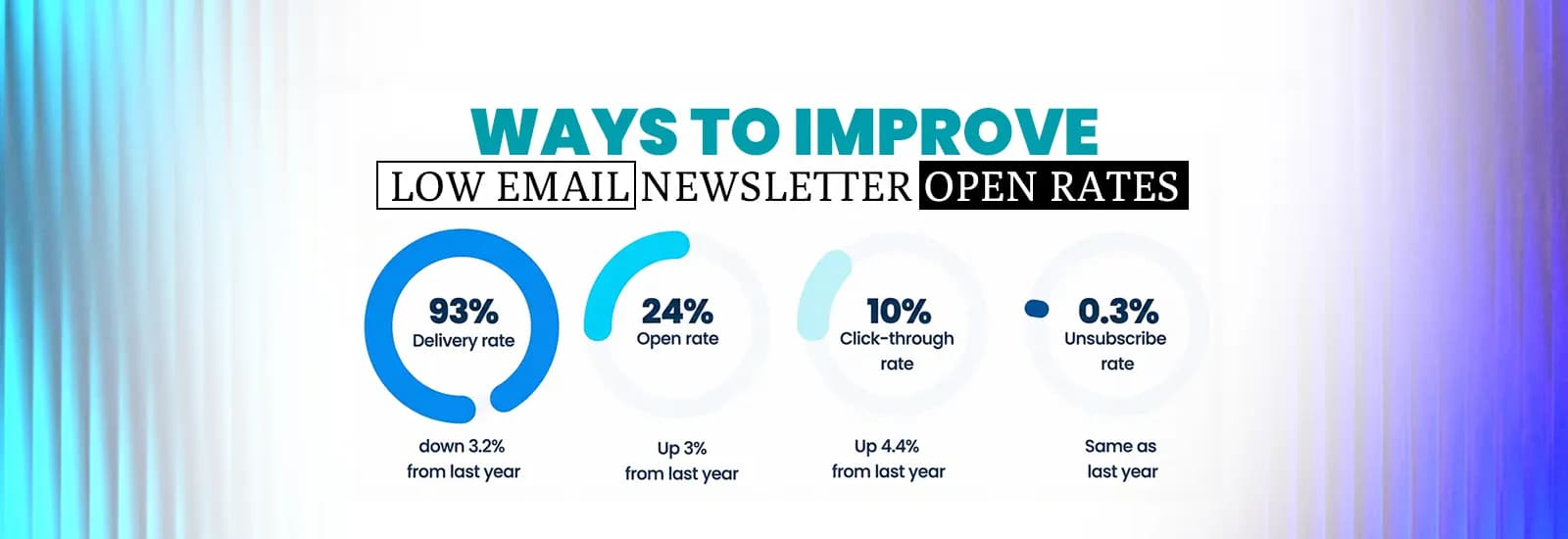
Ways to Improve Low Email Newsletter Open Rates
All topics
It’s frustrating when you’ve spent hours crafting the perfect email, only for barely anyone to open it. Whether your newsletter shares updates, promotions or useful insights, it doesn’t do much if your readers don’t click on it. The subject line sits untouched in their inbox, and all your effort goes unseen.
Open rates are often the first sign something’s off with your email approach. From sending at the wrong time to using generic messaging, there are several reasons why people skip an email. The good news is most of these issues can be fixed. With a few smart changes, your emails can get more attention and drive better results for your digital strategy in the UK.
Revamp Your Subject Line
The subject line can make or break your email’s success. It’s the first thing people see and it’s often the only thing they use to decide if they’ll read or delete. If yours sounds boring, vague or too salesy, there’s a good chance it’s getting ignored.
Think of the subject line as your headline. It needs to be sharp, clear and relevant to the person receiving it. Generic phrases like “Check this out” or “Newsletter Update” don’t say much. Instead, offer a reason to open the email. Be human. Show value.
Here are a few tips to help improve your subject lines:
- Keep it short and easy to read on mobile.
- Ask a question that sparks curiosity.
- Mention something specific to the reader’s interest.
- Limit use of capitals and symbols which can look spammy.
- Avoid clickbait. If the subject says one thing and the content doesn’t follow through, trust drops fast.

You don’t need to guess what works. A/B testing is a practical way to see which subject lines get more attention. Create two versions targeting the same group, then check which one gets more opens. Once you see a pattern that works, you’ll know what your audience connects with. It’s about testing, learning and adjusting.
Personalise Your Content
One-size-fits-all emails don’t perform well. If you want someone to open and enjoy your newsletter, it has to feel like it was meant for them. Personalisation helps build that connection by showing readers content that fits their interests.
An easy way to start is by using the recipient’s name in the email, either in the subject line or greeting. To go further, segment your audience by location, past behaviour or what they’ve clicked on before. Someone interested in marketing templates, for instance, should get more of that content rather than updates about finance tools.
Segmenting your audience helps you:
- Send more targeted messages
- Keep content relevant and timely
- Make your reader feel recognised, not just another name on a list
Using dynamic content can also help. This feature lets you show different sections of content to different people, all within the same email. For example, customers who made a recent purchase might see product updates, while new sign-ups see onboarding tips.
When your emails speak to someone directly, they’re much more likely to pay attention. By investing effort into personalisation, you make your newsletters feel natural and worth reading.
Optimise Send Times
Perfect timing can change everything when it comes to email open rates. If your message lands in someone’s inbox while they’re busy or overwhelmed, it may get lost. But if it arrives when they’re more relaxed and checking emails, you have a better shot at being seen.
In the UK, mid-morning during weekdays is usually a good time to reach people. Many are easing into their day and checking updates. Still, there’s no perfect formula. That’s why experimenting with timing plays an important role.
Email tools these days can help you test different slots and analyse results. Some platforms even offer smart scheduling based on time zones or previous behaviour. Use them to your advantage.
Here are some suggestions for finding the right timing:
- Skip weekends when people check emails less often
- Try sending between 9–11 am or 1–3 pm during weekdays
- Look at past results to see when your audience opens most
- Run experiments and adjust over time based on which times perform better

You don’t have to guess. Let the data guide you and keep testing to improve results. The more timely your message feels, the more your audience will pay attention.
Clean Up Your Email List
A cluttered or out-of-date email list can quietly damage your performance. If lots of people on your list never open your emails or their addresses are no longer valid, your messages may start getting flagged as spam. That means fewer people are even seeing them.
Instead of chasing bigger subscriber numbers, focus on quality. An engaged list, no matter the size, will bring better results.
Here are steps to keep your list in shape:
- Remove contacts who haven’t opened or clicked in several months
- Use email verification tools to spot invalid addresses
- Ask for double confirmation when someone signs up, helping ensure they’re truly interested
If you’re unsure who’s still keen, create a re-engagement campaign. If they respond, great. If not, it might be time to let them go. It can be tough to trim down numbers, but your open rate and deliverability will likely bounce back stronger. Think of it like pruning a garden. When you cut away what isn’t growing, you create space for healthier results.
Enhance Your Email Design
Strong content and good timing can only do so much if your emails look messy. A cluttered layout, too much text or awkward visuals can turn readers off even after they’ve opened your message.
Your design needs to be clean, functional and suited for mobile. Most people now read emails on their phones, so if your message isn’t mobile-friendly, it’s being ignored or deleted fast.

Here’s how to improve your email design:
- Use white space and layout that’s easy to scan
- Stick with one or two brand colours to keep it tidy
- Write with short paragraphs and clear fonts
- Make CTAs visible and easy to click, especially on small screens
- Keep a healthy balance between images and text to avoid email filters
Before hitting send, preview on multiple devices. What looks good on a laptop might appear broken on a phone or tablet. Test and tweak if needed. Simple updates like resizing buttons or changing fonts can make a big difference. Polished emails don’t just snag attention. They help turn that attention into clicks, responses and real results.
Keeping Momentum with Smarter Email Moves
Low email open rates aren’t a dead end. They’re just a sign your strategy needs a fresh look. Email newsletters still remain one of the most direct ways to connect with your audience, but only if you’re reaching them with the right message, at the right time and in the right way.
Continue tracking performance. Look at what worked in the past and be open to trying something new. With regular reviews, small changes and patience, your approach will improve over time.
If updating your strategy feels too time-consuming or unclear, bringing in support from a digital strategy agency in the UK is worth considering. Sometimes an outside eye can help clarify what’s holding your results back and guide you toward sharper execution.
Better open rates mean better engagement. They build stronger connections with your audience and give every email more value. With consistency, smart tools and the right approach, your small efforts can lead to big results.
If you’re looking to get more from your email efforts and connect better with your audience, working with a digital strategy agency in the UK could be a game-changer. At Include Work, we’ll help you fine-tune your approach so every email feels more relevant, timely and effective.
Share Now

How to Address Gaps in Your Market Competition Analysis
All topics
If you’re trying to understand how your business fits into the local market, competition analysis is one of the first places to start. It helps you see what others are doing, where your offers stand out, and where there might be room to grow. But spotting that space or opportunity isn’t always simple. Many businesses quickly jump into tracking others without having a proper framework in place. That’s when gaps begin to form in your research, and you may end up missing key information.
In the UK, businesses face several challenges while trying to carry out this kind of analysis. Local trends shift faster than some can keep up with. Buyer habits in Birmingham might not reflect those in Manchester. Then there are hidden players, brands flying under the radar, that don’t appear on usual research platforms. Without the right information, decisions get built on shaky foundations. So, if you haven’t looked at your competition research process in a while, now could be a smart time to revisit how data is collected, how often it’s reviewed, and who’s supporting you with all the heavy lifting.
Identifying Gaps In Your Market Research
Gaps in market research usually show up when you’re either relying on outdated data, missing certain types of information, or making guesses rather than decisions based on real insights. A worn-out report from two years ago won’t give you much help in understanding where you stand now. Local markets shift, new businesses arrive, and customer priorities keep changing with seasons, costs, and trends. If your research doesn’t reflect those changes, your strategy is probably missing some pieces.
Some missed areas include:
- Emerging competitors: Small or niche players might not be as visible but could be attracting the same audience you’re trying to engage.
- New platforms or channels: If a rival brand starts reaching people through growing social apps or online marketplaces that you’re not considering, that’s data you’re skipping.
- Geographic blind spots: Many teams focus on the areas where they already perform well, rather than looking at areas showing quiet growth.

There’s also the risk of relying too heavily on basic metrics. For example, comparing Facebook likes or Google rankings without context might lead to confusing popularity with performance. A company with fewer likes could still be collecting strong sales offline or through targeted local campaigns.
An example: A small bakery in Leeds may focus mostly on footfall and walk-ins, but a larger chain nearby may have just started home delivery in the same postcode. If that isn’t noticed or tracked in your analysis, you may not only miss potential threats but also helpful ideas for growth.
Fixing these gaps means starting with fresh eyes. Ask the right questions: Who’s new on the scene? Which tools are we using, and do they still give relevant info? Are we tracking changes week by week, or are we leaning too much on outdated knowledge?
Using Market Intelligence Tools That Fit The UK Market
Tools can save time, but only if you choose ones that match your actual goals. Many platforms offer a lot of data on clicks, traffic, and mentions, but not all of them help with local patterns or customer behaviour across the UK.
Here’s a shortlist of tool categories that UK businesses might benefit from:
- Local SEO trackers: These highlight what people in specific cities or towns are searching for online. Tools like this are good for spotting regional demand.
- Review monitoring platforms: These help scan ratings and comments across sites like Trustpilot, Google, and industry-specific directories quickly. Finding repeated trends in what customers love or dislike gives better clues than your own guesswork.
- Competitor analysis web apps: Platforms that offer snapshots of social activity, content publishing rates, pricing shifts, or ad placements give a sense of how aggressive or quiet another brand is acting online.
- Social listening dashboards: These help track public mentions, hashtags, or conversations about your niche. If people are talking more about sustainability in packaging within your sector, for example, this kind of tool flags it early.
- Trends data from UK-specific business sites: Government reports, trade boards, or sector journals can sometimes reveal fresh data points that are missing on flashier global apps. Using these tools is not about tracking everything at once. It’s about knowing what to watch and keeping it simple. Choose two or three that answer your current questions and build from there. Trying to follow every single analytic metric will just delay decisions and bury your team under charts they don’t need. Effective use of tools isn’t just about signing up. It’s about checking the results often, acting on what you learn, and knowing when to step back if something isn’t adding real value. If you’re not sure where to begin or how to combine the data coming from different platforms, consider whether someone can support you with that process to avoid wasting time.
Regularly Updating Your Data
One of the easiest ways to lose touch with your market is by letting your data sit too long. Many businesses collect information during their early planning stages but rarely revisit it. This can leave you making decisions based on trends that are no longer relevant. Markets are alive. They change with the seasons, with local events, and with shifts in customer preferences. What worked well six months ago may not land today.
To stay on top of things, create a routine that makes regular updates part of your operations. It doesn’t have to be overwhelming. Focus on a few key checkpoints:
- Review your main competitors at least once a month.
- Track search keywords and customer queries every few weeks.
- Refresh customer survey feedback or sentiment reports quarterly.
- Adjust your tracking tools and dashboards to bump up alerts when something shifts.
Another smart move is to take a closer look at seasonal trends. For UK businesses, this means keeping pace with fluctuations tied to school holidays, local events, or even the shift from tourist season in one town to slowdown in another. It’s not just eCommerce that gets impacted. A gym in Brighton, for example, might need to switch focus from student memberships in September to local adult offers in the summer.
The sooner your process includes up-to-date inputs, the quicker you’ll be able to refine your strategies. You’ll have a better picture of who’s buying, who’s searching, and who else is stepping into your space. This rhythm allows your planning to react quickly to change, not chase it after it’s too late.
Supporting Market Research With Virtual Assistants
Collecting and sorting all the right data takes time. Plenty of it. For smaller teams, or even busy specialists, that time is hard to squeeze in. That’s where support can make all the difference. Virtual assistants aren’t just for admin tasks anymore. They can help you organise, track, and monitor market competition across different platforms and formats.
Here’s how support from a virtual assistant can help fill the gaps:
- Data gathering: They can compile lists of new industry players, track new product launches, and monitor updates on relevant sites or directories.
- Report updates: VAs can help pull recent stats from your SEO tools, pricing trackers, or review platforms and put them into easy-to-read reports.
- Tool management: Keeping accounts organised across different systems can be tricky. They can check that dashboards are working properly and alert you to important changes.
- Social media audits: They can scan competitors’ profiles weekly, helping you keep a finger on what messages others are pushing or what campaigns are picking up steam.
- Trend scans: Reading business blogs, scanning sector news, or watching newsletters takes time. A VA can flag what’s worth reading and bin the fluff.
With this support, your team doesn’t need to stop everything to do research. You’ll be able to get a clearer snapshot of what’s happening and respond without delay.
Planning With an Edge
Fixing gaps in your market competition analysis isn’t hard, but it does take focus. You need fresh data, the right tools, and enough time to step back and look at the picture clearly. Otherwise, you risk building decisions on guesses instead of facts. Trends move faster now, and local demand can shift with just a single new offer in town. If you’re not watching closely, it’s too easy to get caught off guard.
Making your research more frequent and more accurate gives you an edge. You’ll be able to spot openings before they become crowded, test new messages earlier, and pull back when something’s no longer paying off. And whether you’re a small team or a growing business, having that clear view makes it easier to move fast without burning out.
Getting someone to help with the heavy lifting, especially someone who knows how to manage the tools and feed you the right numbers, can help you stay focused on action rather than admin. Closing those gaps in your data puts you in a stronger position to lead instead of follow.
Stay in front of the pack with expert planning and regular use of the tools that matter. When you’re ready to dive deeper into understanding how market intelligence in the UK can boost your business’s competitiveness, explore the tailored support available from Include Work to help drive your growth and keep you ahead.
Share Now

Resolving Design Brief Misinterpretations with Virtual Assistant Support
All topics
Working with a graphic design company should feel smooth. You send a brief, they get to work, and the final design hits the mark. But when communication goes sideways, things can take a different turn. A vague brief or unclear request can lead to avoidable frustration and wasted time. Misunderstandings in creative work can result in extra revisions, added costs, or a design that doesn’t suit your brand at all.
Setting up your design project with a clear plan makes everything easier. That’s why getting the scope and message right from the very beginning matters. While it might seem like a job for the creative team alone, support staff like virtual assistants can play a strong role in keeping things on track. They help cut down confusion, ask the right questions early on, and make sure all the moving pieces connect. Before rushing into design mode, it’s worth looking at where missteps usually come from and how a bit of added structure can prevent them.
Understanding Common Misinterpretations
Miscommunication in design projects often starts with the simplest things being left out. A brief might say, “We want something bold and modern,” but without examples or context, that message can mean ten different things to ten different designers. What one person sees as bold, another might call messy or overdone. That gap in interpretation leads to confusion and hard-to-fix errors.
Here are a few common issues that come up often with design briefs:
- Vague wording: General terms like “make it pop” or “something fresh” leave too much room for guessing
- Unclear objectives: If the goal of the design isn’t explained—what it’s meant to do—it’s hard for the team to make sure it fits
- Missing info: If key details, like brand colours, logo files, or audience types, are left out, designers have to make assumptions that may miss the mark.
- No timeline:Without clear deadlines, revisions can fall behind and projects stretch out longer than planned. These issues don’t just affect the result. They slow down the whole process, create back-and-forths that feel more like arguments than collaboration, and drain energy from both sides. Imagine submitting a design for a local charity event, only to find out that the wording used wasn’t approved by the organiser and needs a full redo. A small missed detail like that can double the workload.
To avoid setbacks, the brief needs to be both detailed and easy to understand. But not all businesses have the time or headspace to consistently build out strong briefs. That’s where extra hands, like a virtual assistant, start making more sense.

Role Of A Virtual Assistant In Clarifying Design Briefs
A good virtual assistant can act like a translator between your ideas and the designer’s workspace. They’re not there to design the work, but they play an important part in making sure the message gets through the way it’s supposed to. That starts before the brief is even sent out.
Here’s how a virtual assistant can improve design briefs and help things run more smoothly:
- Ask the right questions: Before passing along the brief, they check in to make sure it includes everything the designer will need. That includes materials, context, and direction
- Gather and organise assets: They can track down brand documents, upload logos, and compile examples of past work so the designer has a full picture before starting
- Spot missing pieces: Sometimes, the person writing the brief is too close to the project and skips over basics. A VA brings fresh eyes and asks, “Will the designer understand this?”
- Track changes and updates:If the ideas shift mid-project, a VA can update the brief and keep track of changes without it getting messy. While small teams might assume this type of admin task isn’t needed, it actually saves time in the long run. With a VA making sure all the pieces are in place before the project is handed over, designers can focus more on their creative work, rather than hunting down missing info or holding off for clarifications.
Done right, this process improves the flow of every task that follows. And when timeframes are tight or you’ve got multiple projects going at once, that kind of support takes a lot of pressure off.
Enhancing Communication Channels
Smooth communication between clients and designers can make or break a project. It shapes how ideas are shared, understood, and turned into visuals. But with multiple people involved, messages can often be misread or slip through without follow-up. That’s where having someone managing the flow of information really helps.
A virtual assistant can set up clear channels and routines so the back-and-forth doesn’t feel overwhelming. They act like a buffer, helping both sides stay focused by filtering out noise and making sure the right points are being discussed. Instead of long email threads or confusing chats, they break things up into easy updates and decide what the team really needs to know.
A few strategies that work well:
- Keep one shared workspace: Whether it’s a simple project board or a shared document, one place for comments, briefs, attachments, and feedback keeps everything tidy.
- Draft clear summaries: A VA can write up quick notes after calls or handover meetings so everyone knows what the next steps are.
- Keep tone in check: Written messages can easily be misunderstood. VAs help soften or clarify messages before they’re shared between teams.
- Track who’s doing what: With so many roles involved, accountability gets messy. Assistants can log input from different stakeholders so nothing falls through the cracks. When teams feel heard and know what’s coming next, collaboration improves. For a graphic design company in the UK, where many clients work remotely or across time zones, having structured touchpoints and clarity on handovers helps keep work flowing without delay. Communication doesn’t have to be constant. It just has to be clear.

The Benefits Of Consistent Follow-Ups
One of the easiest ways to keep projects running smoothly is building in regular check-ins. It sounds simple, but it’s surprising how many roadblocks happen because no one followed up on an email or gave an update on a revision.
A virtual assistant keeps tabs on project timelines and makes follow-ups part of the process, not a last-minute scramble. They make sure queries get answered, revisions are sent back, and final approvals don’t sit in someone’s inbox. When someone’s tracking all this, there’s a much lower risk of things going off course without anyone noticing.
Here’s what proper follow-up looks like:
- Setting weekly updates: Whether it’s a short message or a team-wide summary, touchpoints can keep everyone aligned
- Flagging delays early: VAs spot where feedback is stuck or deliverables haven’t been approved and nudge the right person to respond
- Reducing decision bottlenecks: Many projects slow down because someone was waiting on sign-off. A VA chases those up so progress doesn’t stall
- Confirming delivery: Once assets are finalised, someone needs to send them and confirm they were received. That last step matters
Follow-up doesn’t have to mean micromanaging. It’s simply making sure no part of the job is forgotten or left hanging. Especially in design work, where creative choices need timely input, timely reminders help keep pace without rushing the quality.

Why Better Briefs Mean Better Design
Design briefs are often packed with good intentions, but without structure and follow-through, those ideas can fall short. Whether you’re aiming for a rebrand, a brochure, or a quick ad layout, gaps in communication waste time and drain resources. Fixing that means solving the problem at its root before the designer even opens their software.
A virtual assistant brings order to the early parts of the project, builds routines that keep communications flowing, and follows up so deadlines stop slipping. They’re not there to replace designers or managers, but to make sure everyone has the tools and info they need. When the roles are clear and the brief is strong, design becomes what it should be: creative, smooth, and on point.
Building good design doesn’t need to be stressful or disjointed. With the right support, it feels more like teamwork than troubleshooting. That’s the real difference quality admin support can make. When everyone’s on the same page from the start, the end result always comes out better and faster.
Whether you’re coordinating with a new team or working to improve existing workflows, clarity in your design projects is a must. A virtual assistant can smooth the bumps along the road, ensuring that every step is coordinated and clear. If you’re looking to enhance your processes with the help of a reliable graphic design company, discover more about our services at Include Work.
Share Now




IncludeWork is a global virtual assistant agency that helps businesses scale with skilled, reliable support. With 24/7 availability, flexible monthly plans, and a proven track record across 76 countries, we deliver fast, consistent results, without the burden of hiring full-time staff.


Industries We Serve





Bangladesh
Road # 7, Block # E, Kaderabad Housing, Mohammadpur, Dhaka 1207
India
25, Cantopher Lane, Near Cheap Store towards CIT ROAD, KOLKATA-700014
USA
1209 Mountain Road Pl Ne Ste R, Albuquerque, NM 87110
Industries We Serve

Get
the Best
Virtual Assistant
From admin to creative work we bring you the best virtual assistants ready to take care of what matters, so you can focus on scaling your business.

Home
Empowering businesses with smarter virtual solutions
About us
The story behind Include Work’s mission and mindset
Our Talents
Get to know the minds powering Include Work
Blogs
Insights, tips, and stories for growing your business smarter
Contact us
Let’s start your journey to productivity and growth
ToolKit
A central place for smart utilities and work optimization
